Car Reviews
Hatchback
Beauty Is Not Always in the Eye of the Beholder
Lunga Qaba
In a world full of complicated ideas about beauty, many of them shaped by the fashion industry, it is worth asking a simple question: what actually makes something beautiful?
Most of the time, we accept whatever the industry tells us. We trust the experts, follow the trends, and let someone else decide what deserves our attention. But beauty is not always that neat.
Merriam-Webster defines beauty as “the quality or aggregate of qualities in a person or thing that gives pleasure to the senses or pleasurably exalts the mind or spirit.” It is a good definition, although a little too polished for everyday use.
Stripped down, beauty is about feeling. It is about the things that move us, lift our mood, catch our eye, or make us stop for a second longer than usual. It might be a shape, a sound, a colour, a scent, or even a memory.
Beauty is personal. It depends on how we see the world and what we bring to it. No industry, brand, or expert can fully define it for us.
As the saying goes, beauty is in the eye of the beholder.
But every now and then, something comes along that seems to challenge that idea. Something so well proportioned, so honest, and so effortlessly elegant that it becomes hard to argue against. The Porsche 550 Spyder is one of those things.
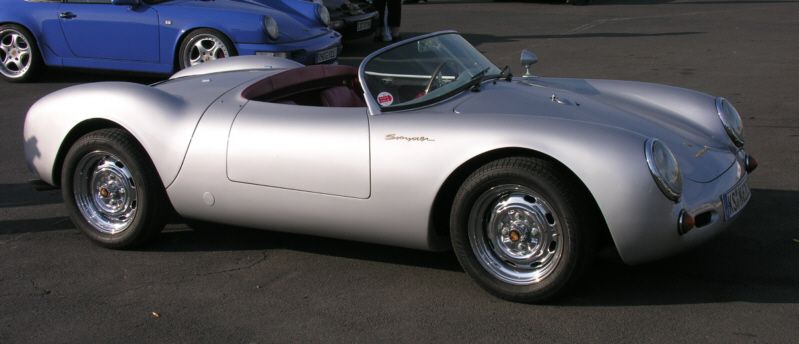
Abehn, Porsche 550, CC BY-SA 3.0

Whether you are a lifelong petrolhead or simply someone who appreciates timeless design, the Porsche 550 Spyder has a way of pulling you in. Its clean lines and simple curves show that beauty does not always need to shout. Sometimes, it just needs to be right.
That is where we come in.
We are the Piston Clan.

Our first journey begins in South Africa, a country known for its landmarks, landscapes, wildlife, and long open roads.
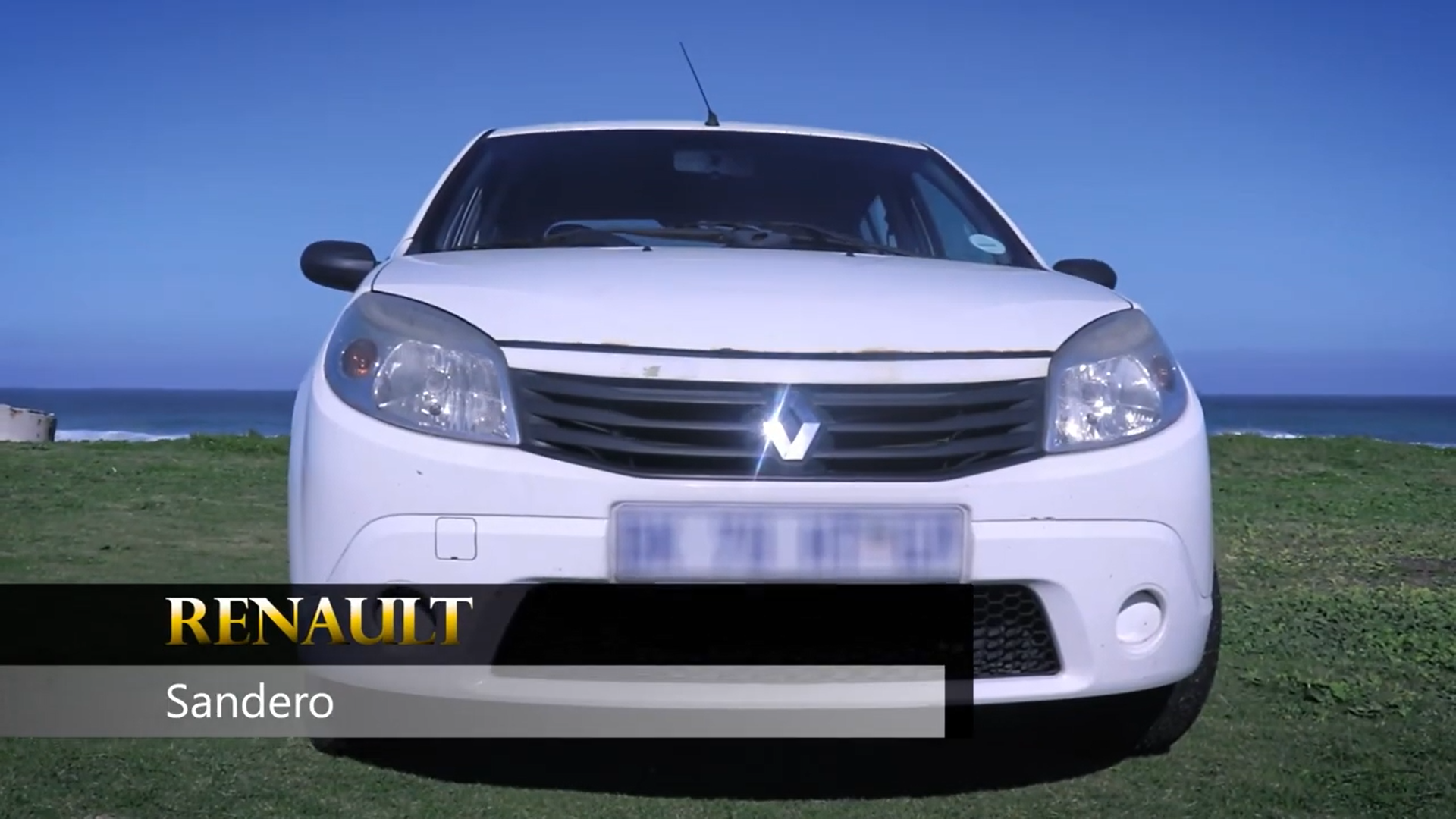
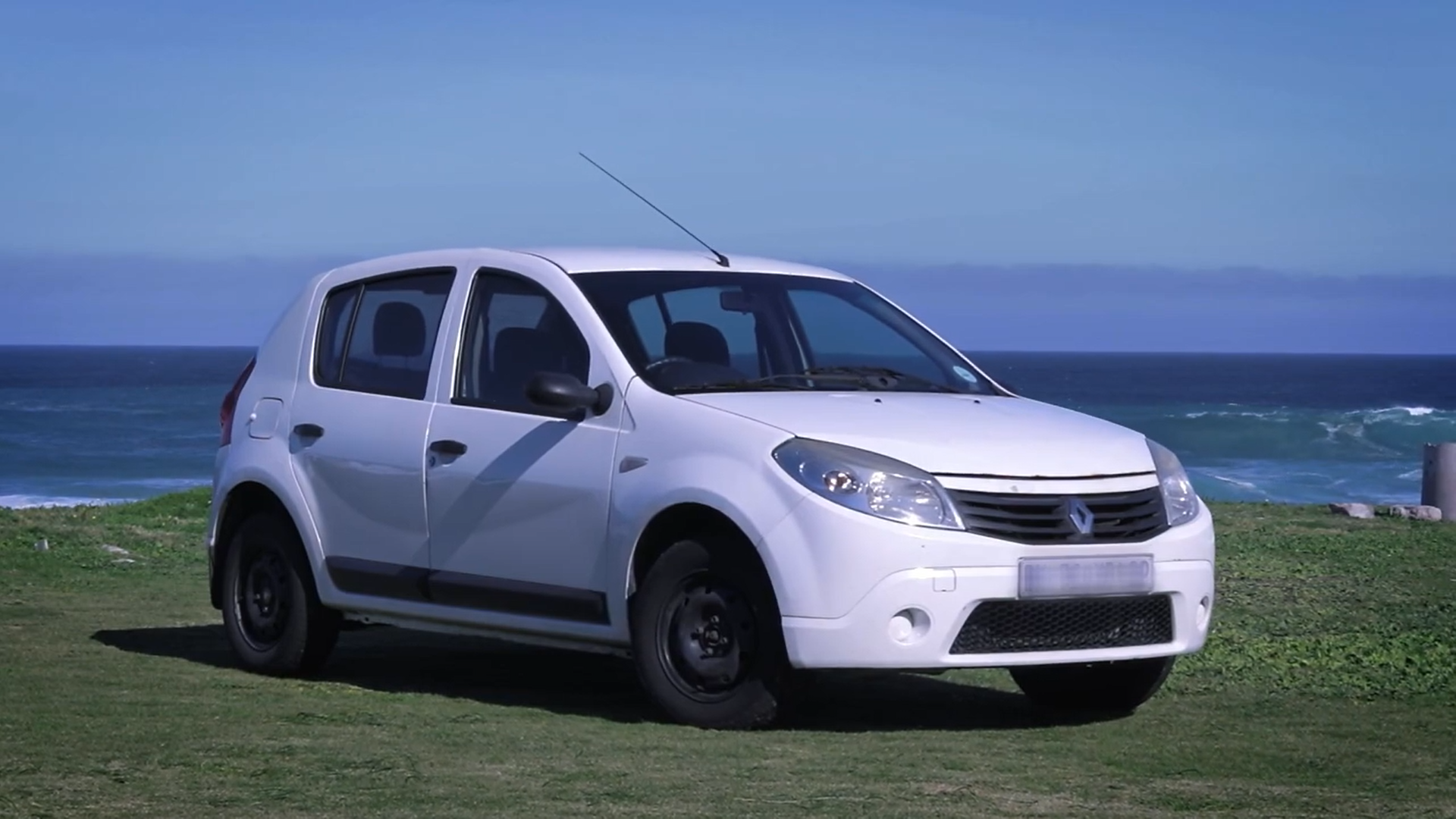
More specifically, we find ourselves in Gqeberha, where we meet a car that challenges a few expectations of its own: the Renault Sandero.
At first glance, the Sandero does not look luxurious. It does not try to. It is a subcompact five-door hatchback with a front-engine, front-wheel-drive layout. Simple to build, simple to understand, and simple to live with.
The Sandero was developed at Renault’s Technocentre in Paris and first appeared as the Dacia Sandero in March 2008, under Renault’s budget-focused subsidiary brand.
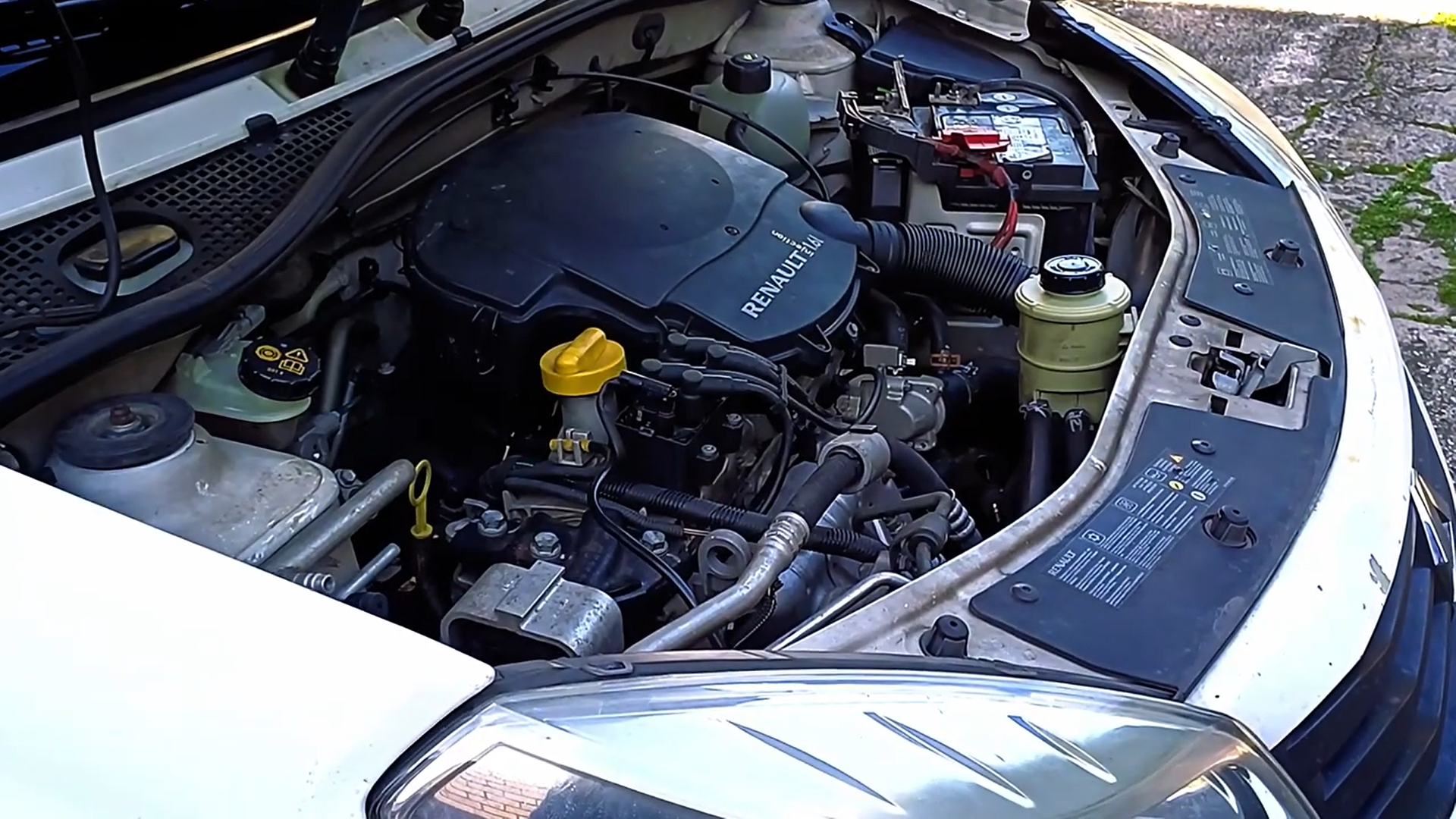
The earlier version is no longer in production, but it came with two engine options, including the 1.6-litre B90 petrol engine, which produced 65 kW and 128 Nm of torque.
These K-Type engines originated in Spain in 1995 and were used mainly in Renault’s budget models, including the Renault Logan.
Inside, the Sandero is more spacious than you might expect. Four adults can sit in reasonable comfort, and the boot is big enough for the sort of luggage, shopping, tools, and road-trip clutter that real life tends to produce.
The sound system is basic: four speakers, a CD player, and a 3.5 mm auxiliary input for connecting a phone. There is no Bluetooth, which immediately reminds you that this car comes from a different era of “good enough.”
It is also not a quiet car. The Sandero makes itself heard, especially at speed. The clutch sits low and feels firm, which might need adjustment depending on the condition of the car.
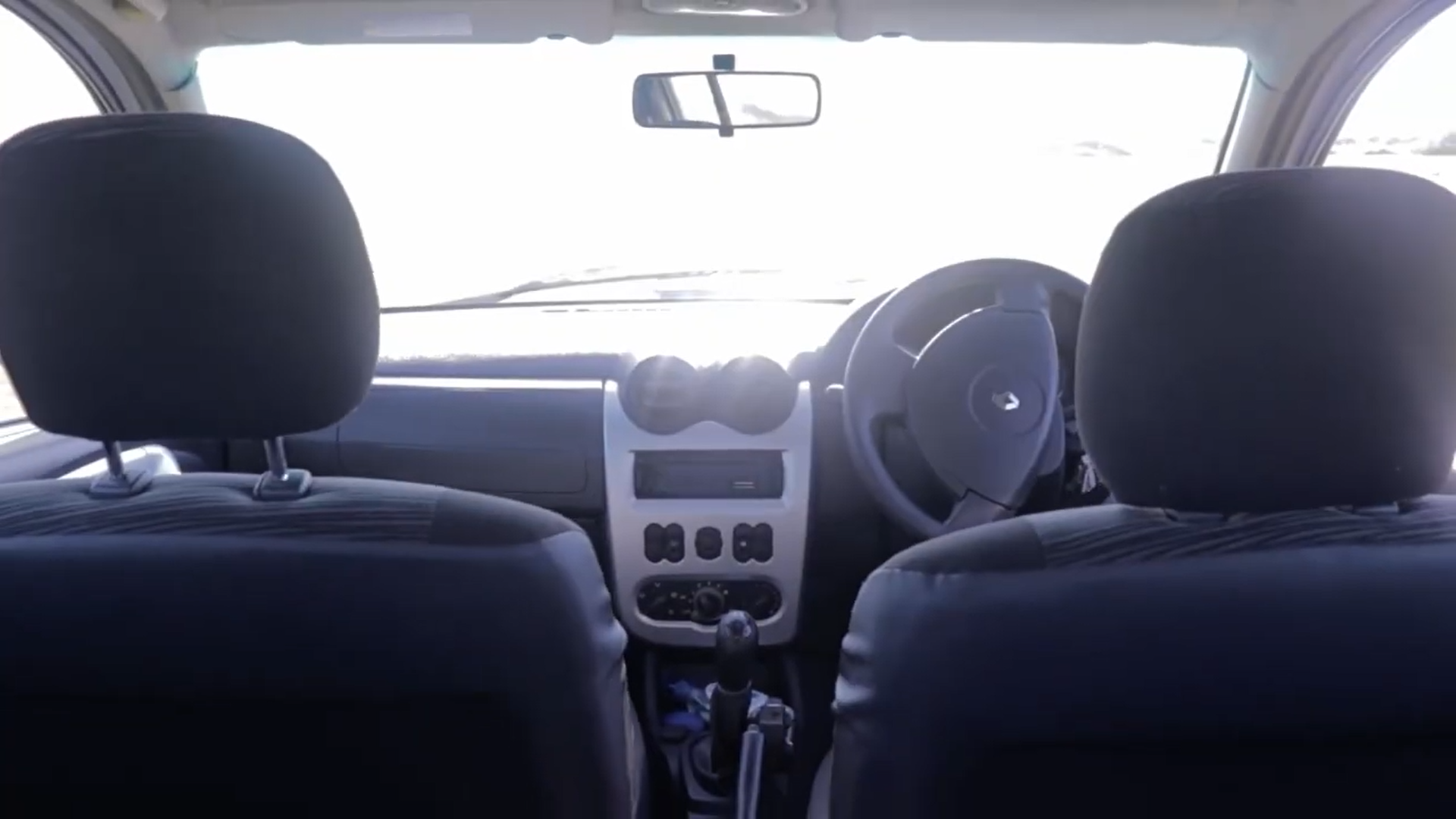
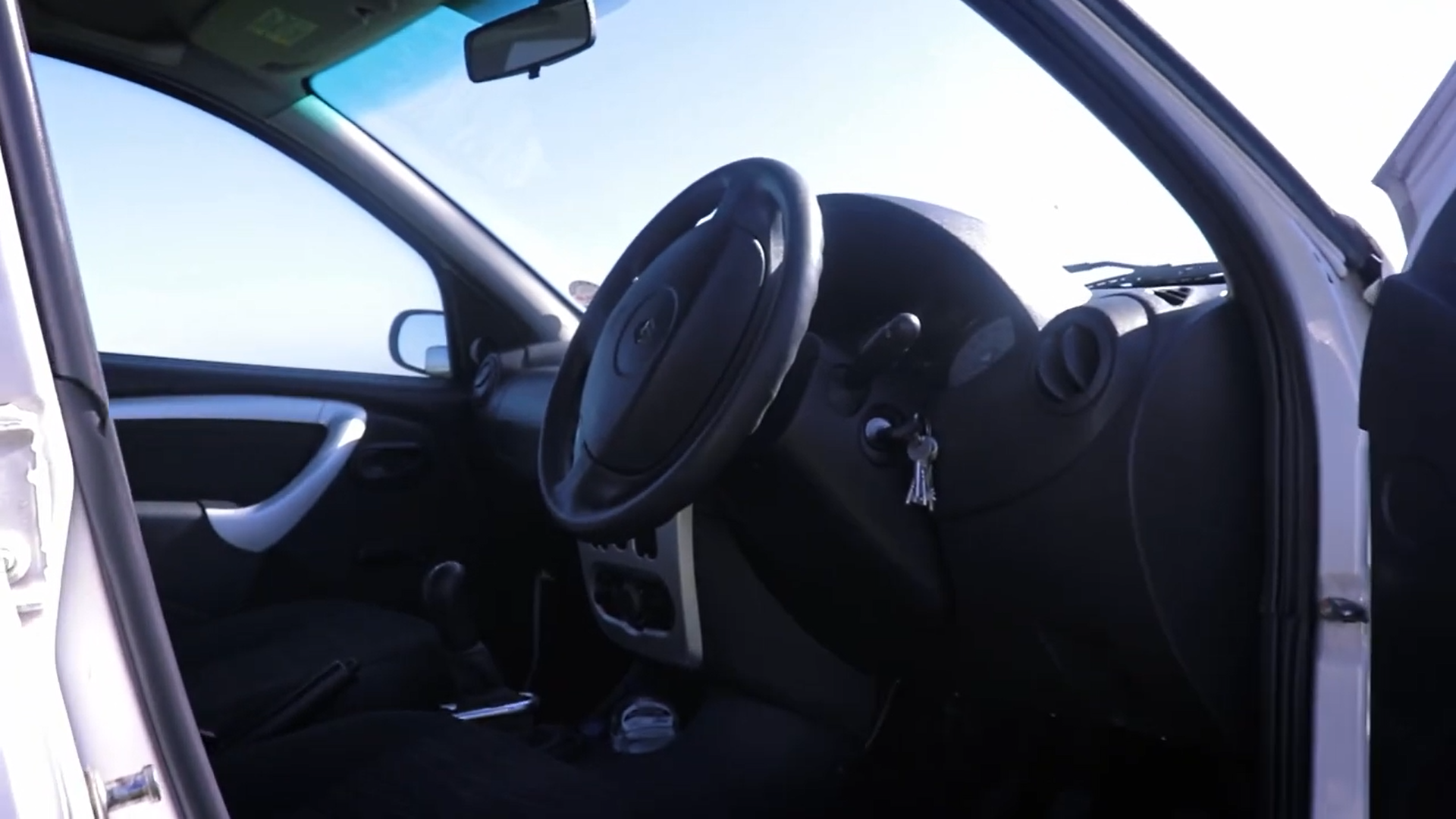
Fuel economy is acceptable, but not exceptional. For a budget car, you might expect it to sip fuel more politely, but in city driving, it manages roughly 550 kilometres on a full tank. Not terrible, but not exactly heroic either.
And yet, despite its flaws, the Renault Sandero has charm.
It is not fast. It is not especially modern. It is not trying to win anyone over with luxury or status. But it has character, and that matters. Its quirks are not just things to tolerate; they are part of what makes the car memorable.
This particular Sandero has been part of countless adventures across the country. It has climbed through places like the Drakensberg and the Amathole mountains, taking on roads and terrain that many people would normally reserve for all-wheel-drive vehicles.
Under its rough edges and weathered exterior, there is a kind of honesty. The Sandero does not pretend to be anything more than it is. Somehow, that makes it more likeable.
In a world obsessed with expensive status symbols, the Renault Sandero offers a different argument. A well-kept second-hand model can be bought for a fraction of the price of most fashionable cars, yet it can still deliver stories, memories, and a surprising amount of joy.
Among rows of predictable cars, the Sandero feels refreshingly unpretentious. Its imperfections give it personality. Its simplicity makes it useful. And its resilience makes it easy to respect.
So, if you are willing to embrace the unexpected, chase a few adventures, and enjoy the simpler side of motoring, the Renault Sandero might just change the way you think about what a car can be.